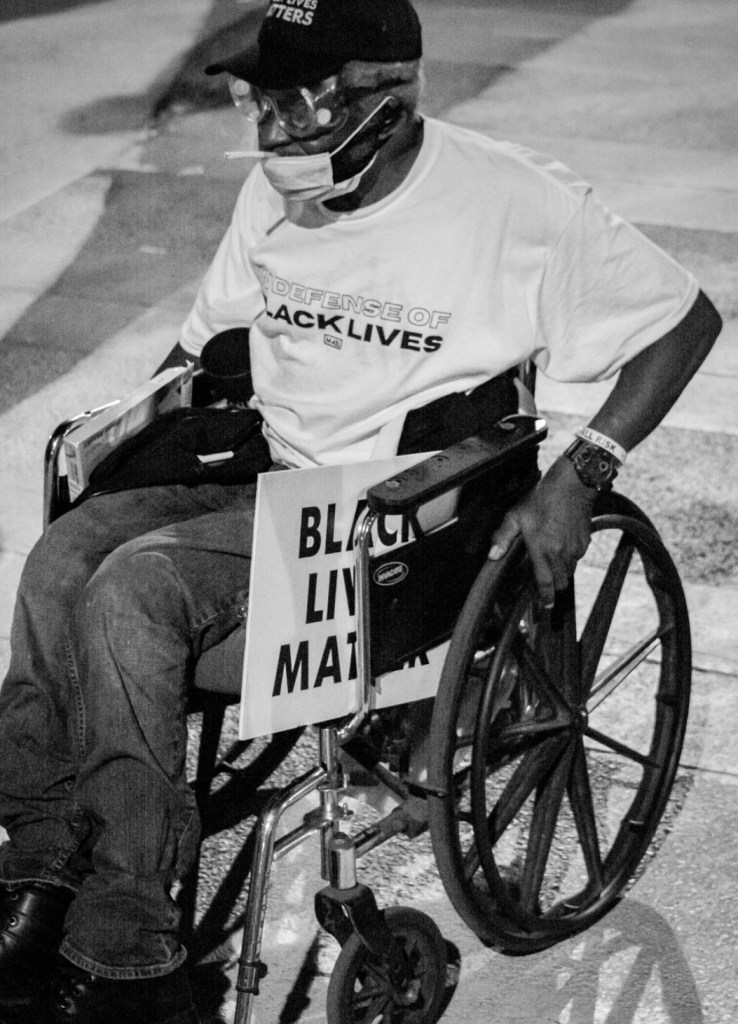
Some mornings, the fatigue arrives before the coffee has a chance to help.
Not physical tiredness, but the deeper kind. The kind that comes from knowing that telling the truth—again and again—costs something. That resisting what is wrong is rarely efficient, tidy, or rewarded on a reasonable timeline.
Black History Month does not soften this reality. It names it plainly.
Resistance is exhausting. That is not a flaw. It is the design.
The Montgomery Bus Boycott lasted 381 days. Not a symbolic weekend. Not a viral moment. More than a year of walking instead of riding, organizing carpools under surveillance, losing jobs, enduring harassment. It was sustained largely by Black women whose names history often overlooks, but whose labor history rests upon.
Black history shows us that resistance is not a single moment of courage. It is a long, grinding act carried out by ordinary people who would have preferred peace but refused surrender.
We often compress the civil rights movement into a few speeches and photographs. What gets lost is the daily risk. The daily sacrifice. Mothers sending children into hostile schools. Workers clocking in knowing they could be fired. People marching because silence weighed more than fear.
When protest today is criticized as disruptive, the language is familiar. It surfaces every time power feels challenged.
Disruption is how systems change.
Comfort is how they survive.
Justice has never arrived quietly or politely, and never on the timeline of those who benefit from delay.
Black history is often framed as suffering. That is only half the story. The other half is resistance—people who refused inevitability, organized when it was dangerous, spoke when silence was safer, and kept going when exhaustion whispered that nothing would change.
That pattern has not ended.
If justice makes us uneasy, it is worth asking why—honestly, not defensively. Fatigue does not mean stop. It means the work has weight.
And weight, when carried together, can move history.
Mindful activism asks us to stay awake without becoming hardened, to tell the truth without losing our humanity, and to remember that how we show up matters as much as what we oppose.
Julie Bolejack, MBA
 JulieBolejack
Leave a comment